Tor to Shore - Summer Update 2026

Tor to Shore - Summer Update 2026

From beavers creating new wetlands at Helman Tor to dolphins being spotted in St Austell Bay, exciting signs of nature's recovery are appearing across the landscape.

Tor to Shore, led by Cornwall Wildlife Trust and made possible by the National Lottery Heritage Fund, is working across the Par River catchment, from Helman Tor to St Austell Bay, connecting heathland, wetlands, rivers and the sea.  

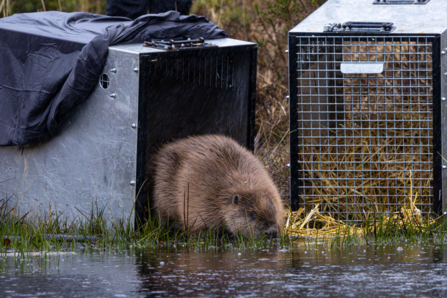
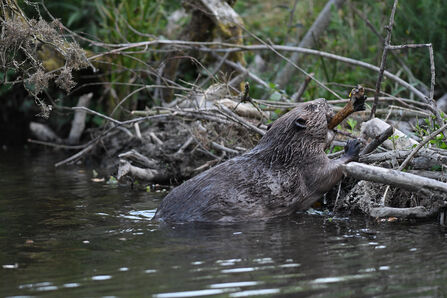
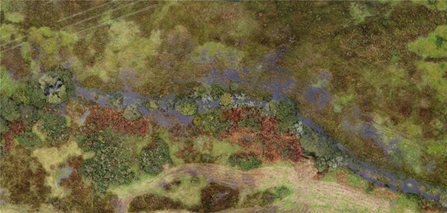
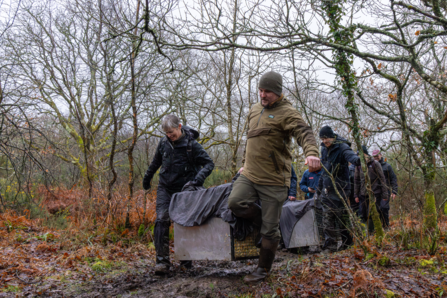
One of the project's biggest milestones this year has been the return of beavers to the Par catchment. Following Cornwall Wildlife Trust's wild release licence approval, four pairs of beavers were released earlier this year and are already transforming the landscape. Across Helman Tor Nature Reserve, the number of beaver dams has increased from two to eight, helping to slow the flow of water, create wetlands, provide homes for a wide variety of wildlife, and hold water on the land, even during this summer’s heatwaves. There was also welcome news when the original Helman Tor beaver family successfully produced kits.  
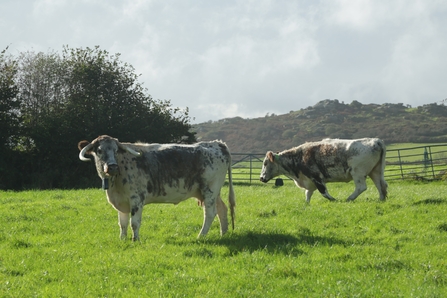
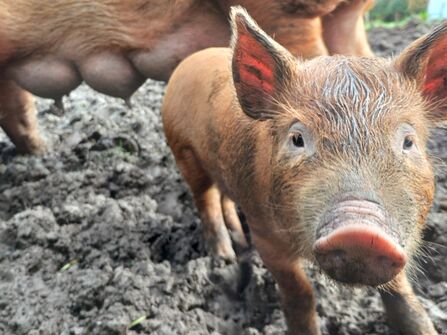
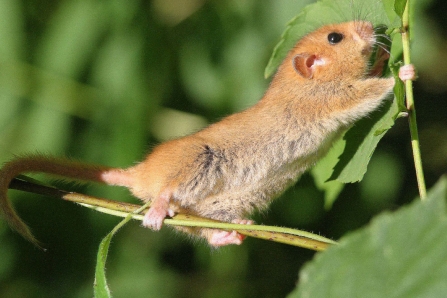
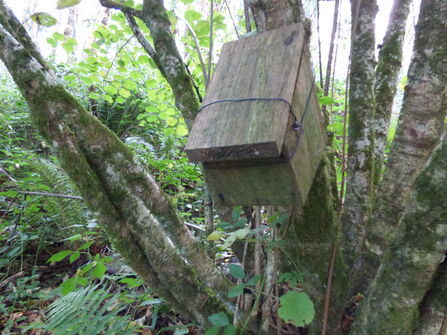
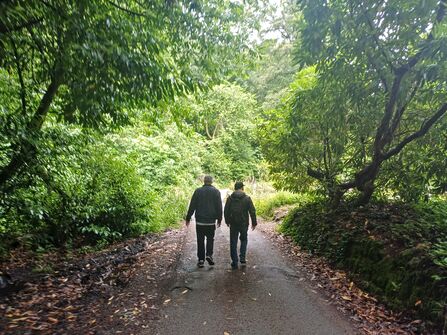
Elsewhere on the reserve, conservation grazing animals are helping to shape healthier habitats. Tamworth pigs have returned to root and forage, and English Longhorn cattle and their new calves continue to graze areas across the landscape. Their natural behaviours create a patchwork of habitats that benefit everything from wildflowers and insects to birds and small mammals. Volunteers are also playing a crucial role, carrying out practical conservation tasks such as coppicing woodland to support species including the hazel dormouse.  

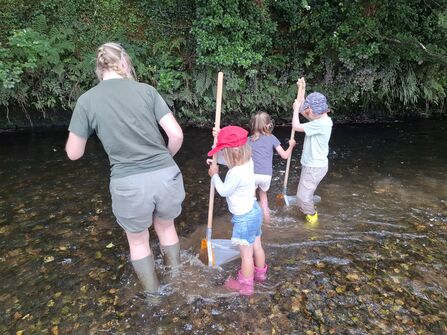
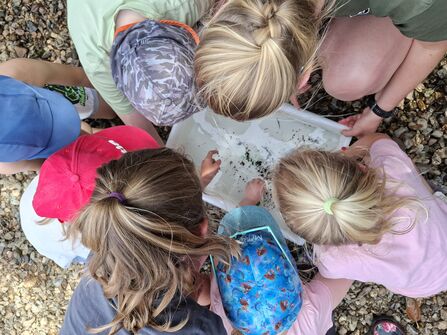
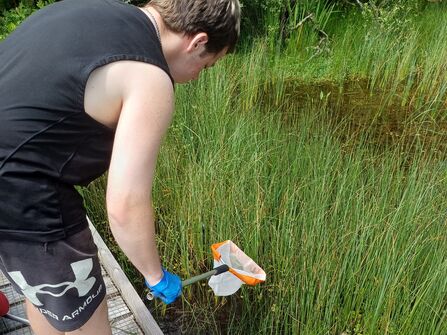
Tor to Shore is not just about wildlife, the community is at the heart of the project, helping people of all ages build confidence, skills, and stronger connections with the natural world. Through initiatives including Nature Club, youth Nature Connection Courses, and work with local schools, participants are spending more time outdoors, discovering wildlife on their doorstep and learning new skills such as pond dipping and species identification. Feedback suggests that taking part has improved wellbeing, boosted confidence and inspired people to explore local green spaces independently. In one particularly inspiring example, a long-term Nature Club participant has progressed from rarely leaving the house to volunteering, mentoring others and signing up to study marine biology and conservation through the Open University. 

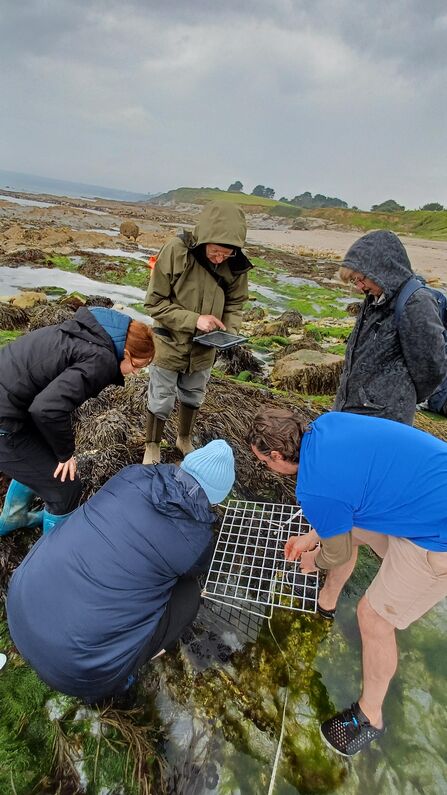
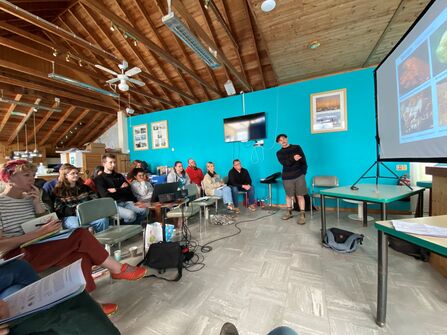
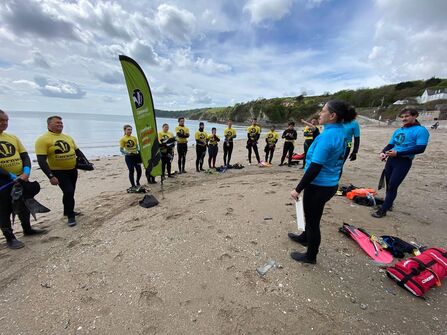
Across the catchment, volunteers are also helping to monitor wildlife, record water quality and learn new skills. More than 30 people have recently taken part in Shoresearch and Seasearch survey training, while local citizen scientists are contributing valuable data that helps build a clearer picture of the area's environmental health. 

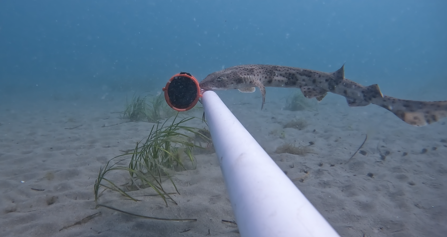
Excitingly, monitoring by the Tor to Shore team in St Austell Bay has recorded sharks, rays, octopus, cuttlefish and commercially important young fish using seagrass and maerl habitats. On the surface, the team have also encountered common dolphins, harbour porpoises and increasing numbers of Risso's dolphins, a species that was rarely seen in the area just a few years ago. 

Together, these stories show how nature and communities can all benefit when people work together to restore the places they love. From tor to shore, nature's comeback is already underway.  

Volunteers gathered around a clipboard in a wooded area

Abby Whitmore

Want to find out more or get involved?

Together, we can all play a part in helping nature recover across both land and sea in the heart of Cornwall.  

Find out more
The National Lottery Heritage Fund logo


Tor to Shore is made possible with the National Lottery Heritage Fund. Thanks to National Lottery players, this unique project will link a mosaic of habitats, creating a bigger, better and more connected home for nature and people.