Falmouth Docks redevelopment: Cornwall Wildlife Trust's position

Falmouth Docks redevelopment: Cornwall Wildlife Trust's position

Cornwall Wildlife Trust's position on the Falmouth Docks redevelopment, including concerns over dredging, marine habitats, wildlife, and sediment management.

The proposed £150 million redevelopment of Falmouth Docks includes plans to deepen and expand to accommodate larger vessels, including cruise ships. The project would involve dredging around 643,000m³ of sediment from the Fal Estuary and disposing of much of the material at sea. 

Falmouth Docks plays an important role in Cornwall's economy, providing skilled jobs and forming a significant part of the town's maritime history and identity. Cornwall Wildlife Trust does not oppose the redevelopment of the Docks and recognises the need to evolve and secure their future. 

Port crane overlooking Falmouth Docks, with water, boats, and rolling green hills in the background.

Our concern is ensuring that redevelopment takes place in a way that fully protects one of the UK's most important marine environments. The Fal and Helford Special Area of Conservation is internationally important for biodiversity and blue carbon habitats. 

The estuary is home to: 

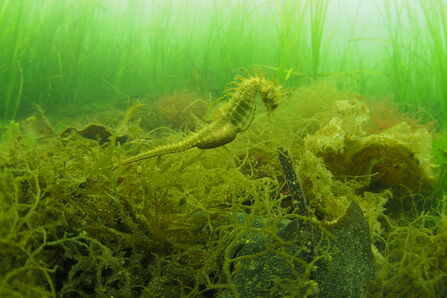
  • England's largest and best maerl beds
  • Extensive seagrass meadows
  • Kelp forests
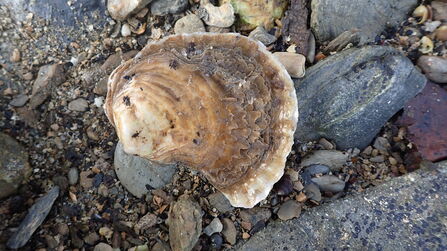
  • The UK's last remaining viable wild native oyster fishery
  • Commercial fisheries for crab, lobster, scallops and other shellfish
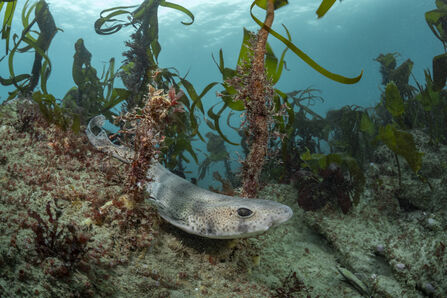
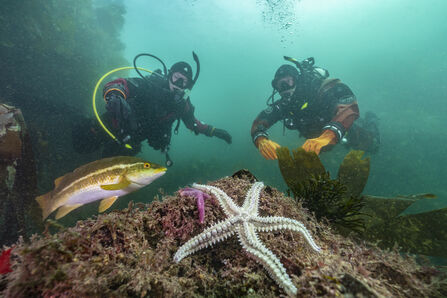
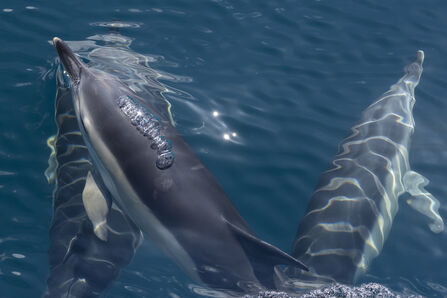
  • Dolphins, harbour porpoise, seals and many other protected marine species 

These habitats and species already face pressures from climate change, declining water quality and pollution. Any major dredging operation must therefore be planned and managed with exceptional care. 

Our concerns 

Cornwall Wildlife Trust has submitted a Holding Objection to the Marine Management Organisation (MMO) because we believe further information is needed before the proposals can be fully assessed. 

Our concerns include: 

  • Whether contaminated sediments can be safely identified and managed during dredging.
  • The risk of toxic pollutants being released into the estuary if dredging is not carefully planned, and carried out.
  • The potential impacts of underwater construction noise on dolphins, porpoise and seals.
  • The adequacy of monitoring and environmental mitigation throughout construction.
  • Whether the environmental impacts have been fully considered alongside the economic benefits of the project. 
View across Falmouth Harbour showing numerous moored boats, a dockside crane, and waterside buildings under a clear blue sky.

Supporting both nature and livelihoods

The Fal Estuary sustains commercial fishermen, native oyster fishers, tourism businesses and many other local livelihoods. Protecting internationally important habitats also helps protect the economy and communities that depend on them. 

Find out more 

From this page you can explore more information about the proposals and Cornwall Wildlife Trust's response: 

Read our original news story explaining why we submitted a Holding Objection. 

Read our latest update on concerns over sediment sampling and contaminated material. 

Read our full Holding Objection submitted to the Marine Management Organisation. 

View our sediment contamination data analysis 

Cornwall Wildlife Trust Powerpoint outlining current concerns with the docks redevelopment from Dan Barrios-O’Neill, Head of Marine Conservation 

Visit the website set up by people in Falmouth concerned about the dredge – with information about how people can take action if concerned. (No affiliation with Cornwall Wildlife Trust)